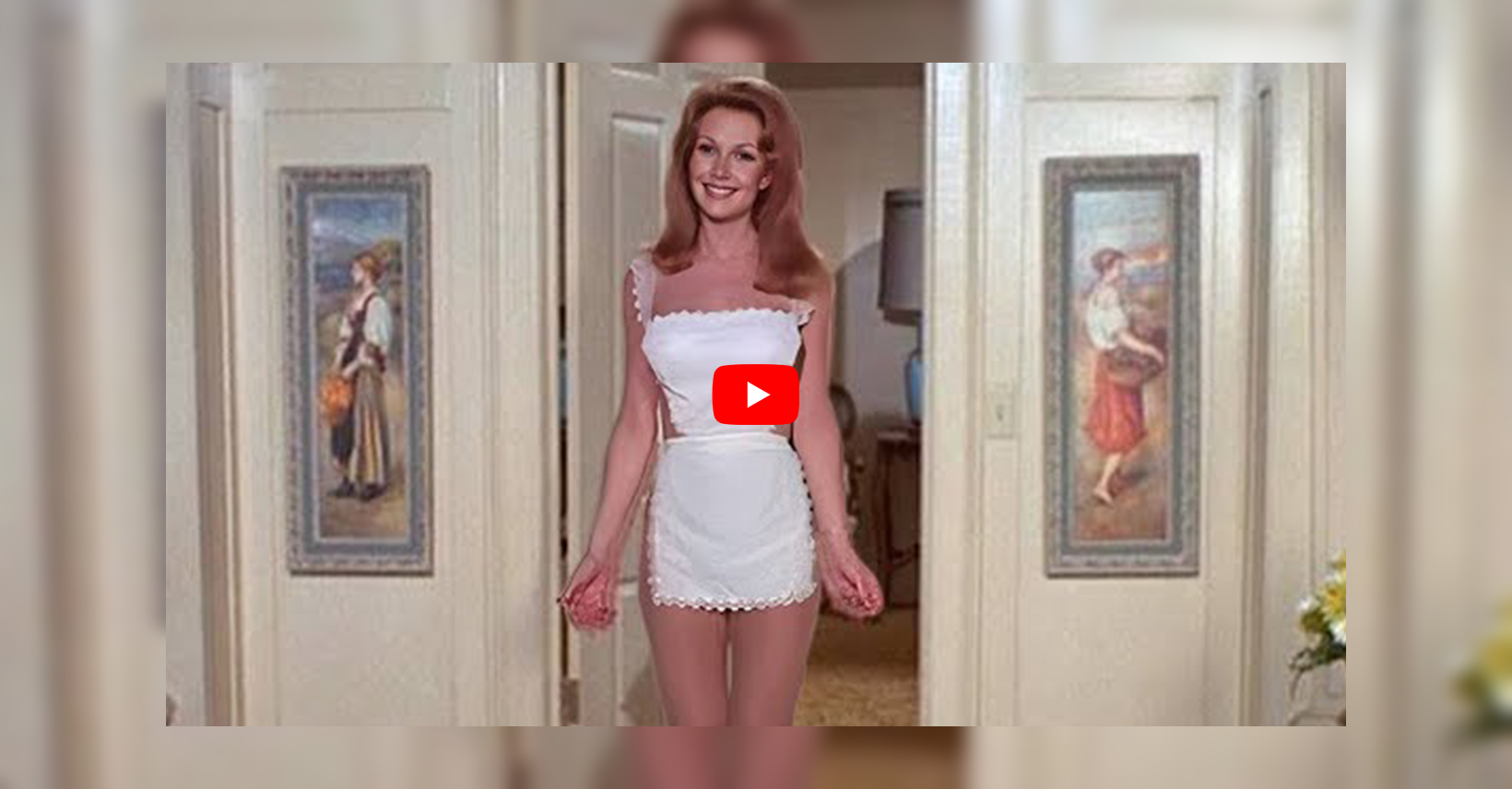
For decades, classic television fans have encountered persistent rumors surrounding Bewitched, one of the most beloved sitcoms in broadcast history. Sensationalized headlines frequently tease an alleged dark secret: a controversial unaired scene, a “missing” finale, or an abrupt network ban that supposedly forced the supernatural comedy off the airwaves overnight.
When you strip away decades of internet myths and tabloid exaggeration, the true demise of Bewitched proves far more compelling than fiction. Its ending was shaped by an intersection of national tragedy, an agonizing backstage medical emergency, and a massive cultural revolution that reshaped American television forever.
The enduring myth that an episode was suddenly “pulled and banned” traces directly back to the night of April 4, 1968. During the primetime East Coast broadcast of Season 4, Episode 28 (“I Confess”), millions of families were watching Samantha Stephens untangle her latest magical predicament. Mid-scene, the broadcast was violently severed without warning as ABC cut to an emergency news bulletin announcing the assassination of civil rights leader Dr. Martin Luther King Jr. The abrupt plunge from innocent suburban whimsy into national grief left an indelible scar on an entire generation, which decades later morphed online into false rumors of a forbidden broadcast.

Behind the scenes, the show faced a devastating human crisis that forever altered its dynamic: the abrupt replacement of Darrin Stephens. Contrary to rumors of contract disputes or backstage feuds, the departure of original co-star Dick York was an act of survival. York had suffered a severe, debilitating spine injury years earlier and spent his seasons on set enduring constant, agonizing physical pain. During the filming of Season 5, his body finally gave out, culminating in a violent seizure that sent him to the hospital and forced his permanent resignation.

ABC took the massive gamble of recasting the role with Dick Sargent in 1969, an unprecedented move that kept the series alive but alienated loyal viewers. Simultaneously, American viewing habits underwent an seismic shift known as television’s “Rural Purge.” As the Vietnam War and social upheavals redefined the country, younger audiences lost interest in innocent, escapist sitcoms about friendly witches and genies. Groundbreaking, gritty, and socially relevant comedies like All in the Family took over the cultural conversation, rendering the magical suburbs of Bewitched an artifact of a bygone era.

By its eighth season in 1972, the series had been relegated to a brutal Friday night time slot, sending ratings tumbling. Despite ABC offering lucrative financial packages for a ninth season, leading lady Elizabeth Montgomery had made up her mind. Eager to break out of Samantha’s pristine suburban mold and pursue serious dramatic acting, Montgomery declined to renew her contract, bringing the series to a quiet close on March 25, 1972. There was never a dark Hollywood cover-up—only the bittersweet, natural conclusion of an unforgettable golden-age classic.

Key Facts Behind the Myth:
-
The “Banned” Interruption: The broadcast was abruptly cut on April 4, 1968, for breaking news of Dr. Martin Luther King Jr.’s assassination.
-
The Darrin Recast: Dick York resigned after suffering a severe on-set medical emergency caused by a chronic spinal injury.
-
The Cultural Shift: Television’s early-1970s “Rural Purge” and Elizabeth Montgomery’s desire to pursue dramatic roles brought the classic to its natural end.
Watch the fascinating history and behind-the-scenes evolution of Bewitched below: